Embark on a journey to explore the realm of Short-Term Investment Horizon Best Strategies, where savvy investors navigate the fast-paced world of financial opportunities with precision and insight. This topic delves into the art of strategic decision-making for short-term gains, offering a roadmap to success in the dynamic investment landscape.
Short-term investments can yield lucrative rewards when approached with the right strategies and foresight. Let’s unravel the secrets to optimizing your investment portfolio for short-term goals.
Short-Term Investment Horizon Best Strategies
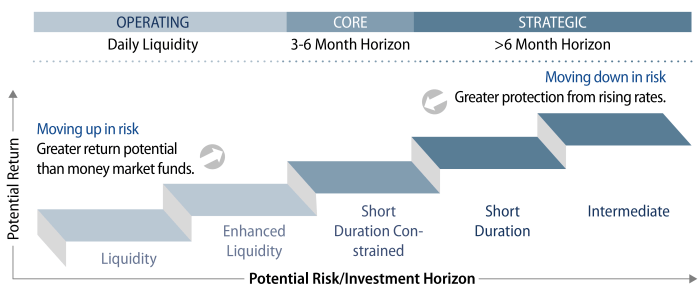
Short-term investment horizon refers to the timeframe in which an investor plans to hold an investment before selling it. Typically, short-term investments are held for a period ranging from a few days to a few months, as opposed to long-term investments which are held for years.
Examples of Short-Term Investment Strategies
- Day Trading: Buying and selling securities within the same trading day to take advantage of short-term price fluctuations.
- Swing Trading: Holding investments for a few days to a few weeks, aiming to capitalize on price momentum.
- Arbitrage: Exploiting price differences of the same asset on different platforms or markets to make a profit.
Importance of Having a Clear Strategy for Short-Term Investments
Having a clear strategy for short-term investments is crucial for several reasons. It helps investors stay focused on their goals, manage risk effectively, and make informed decisions based on market conditions. Without a strategy, investors may fall prey to emotional trading, leading to poor outcomes and missed opportunities.
Investment Advice
Investment advisors play a crucial role in guiding individuals in making informed decisions regarding their short-term investments. These professionals have the expertise and experience to provide valuable insights and recommendations to help investors achieve their financial goals efficiently.
Role of Investment Advisors
- Assessing individual financial situations and goals to tailor investment strategies accordingly.
- Monitoring market trends and economic indicators to make timely adjustments to investment portfolios.
- Providing personalized advice and recommendations based on risk tolerance and investment objectives.
- Educating investors on different investment options and helping them make well-informed decisions.
Tips for Seeking Reliable Investment Advice
- Look for certified and licensed investment advisors with a good track record and reputation in the industry.
- Consider the advisor’s fee structure and ensure it aligns with your financial goals and investment budget.
- Seek recommendations from trusted sources or friends who have had positive experiences with their investment advisors.
- Ask questions about the advisor’s investment philosophy, approach to risk management, and communication style.
Importance of Considering Risk Tolerance
Investors must consider their risk tolerance when following investment advice to ensure that the recommended strategies align with their comfort level. By understanding how much risk they are willing to take and how it may impact their investment returns, investors can make better decisions and avoid unnecessary stress or financial losses.
Investment Advisor
When it comes to managing your investments, seeking guidance from an investment advisor can be a smart move. An investment advisor specializes in providing advice and recommendations on how to best allocate your funds to achieve your financial goals. Let’s delve into the key aspects of working with an investment advisor for short-term investments.
Financial Advisor vs. Investment Advisor
It’s important to understand the distinction between a financial advisor and an investment advisor. While both professionals offer guidance on managing finances, a financial advisor typically provides a broader range of services, including retirement planning, estate planning, and insurance. On the other hand, an investment advisor focuses specifically on investment strategies and portfolio management.
Qualifications and Certifications
When selecting an investment advisor, it’s crucial to look for certain qualifications and certifications to ensure you’re working with a knowledgeable and trustworthy professional. Some key credentials to consider include:
- Certified Financial Planner (CFP): Demonstrates expertise in financial planning and investment management.
- Chartered Financial Analyst (CFA): Indicates a high level of proficiency in investment analysis and portfolio management.
- Registered Investment Advisor (RIA): Ensures compliance with regulatory standards and fiduciary responsibilities.
Benefits of Working with an Investment Advisor
Collaborating with a professional investment advisor for your short-term investments can offer several advantages:
- Customized Investment Strategies: An investment advisor can tailor a personalized investment plan based on your financial objectives and risk tolerance.
- Expertise and Insights: Benefit from the expertise and market insights of an experienced investment advisor to make informed decisions.
- Risk Management: Mitigate risks and optimize returns by leveraging the risk management strategies recommended by your advisor.
- Time-Saving: Save time and effort by entrusting the investment management responsibilities to a dedicated professional.
Investment Banking
Investment banks play a crucial role in providing financial services to corporations, governments, and high-net-worth individuals. They act as intermediaries between investors and corporations, helping to raise capital through underwriting or acting as financial advisors.
Role of Investment Banks in Short-Term Investment Opportunities
Investment banks offer a range of services to clients looking to engage in short-term investment opportunities. These services include providing access to money market instruments, assisting in the purchase and sale of securities, and offering advice on market trends and investment strategies.
Facilitating Short-Term Investment Strategies
- Executing Trades: Investment banks help clients execute trades quickly and efficiently, allowing them to take advantage of short-term market opportunities.
- Research and Analysis: Investment banks provide in-depth research and analysis on various investment options, helping clients make informed decisions for their short-term investment strategies.
- Risk Management: Investment banks assist clients in managing risks associated with short-term investments by offering hedging strategies and risk assessment services.
Services Offered by Investment Banks for Short-Term Investment Goals
- Access to Capital Markets: Investment banks provide access to capital markets where clients can raise funds for short-term investment opportunities.
- Structured Products: Investment banks offer structured products tailored to short-term investment goals, providing flexibility and customization for clients.
- Advisory Services: Investment banks offer advisory services to help clients navigate the complexities of short-term investments and maximize their returns.
Investment Horizon
The investment horizon refers to the length of time an investor expects to hold an investment before selling it. It is a crucial factor to consider when developing a short-term investment strategy as it directly impacts the choice of assets and risk tolerance.
Factors Influencing Investment Horizon for Short-Term Goals
The following factors can influence an individual’s investment horizon for short-term goals:
- Economic Conditions: Fluctuations in the economy can impact the investment timeline.
- Financial Goals: Specific short-term financial objectives can determine the length of the investment horizon.
- Risk Appetite: The willingness to tolerate risk can affect how long an investor plans to hold an investment.
- Market Volatility: Unpredictable market conditions may prompt a shorter investment horizon.
Aligning Investment Horizon with Short-Term Investment Strategies
Effectively aligning the investment horizon with short-term investment strategies involves:
- Setting Clear Goals: Define specific short-term financial objectives to determine the appropriate investment timeline.
- Diversifying Investments: Spread out investments across different asset classes to manage risk and meet short-term goals.
- Regular Monitoring and Adjustments: Keep track of investments and make necessary adjustments to stay on course with the investment horizon.
- Rebalancing Portfolio: Periodically rebalance the portfolio to ensure alignment with short-term goals and risk tolerance.
Investment Opportunities
Investment opportunities refer to various avenues where investors can put their money for short-term gains. These opportunities come with different risk and return characteristics, catering to the diverse needs of individual investors.
Types of Short-Term Investment Opportunities
- Savings Accounts: Offer low risk and low return, suitable for conservative investors.
- Certificates of Deposit (CDs): Provide slightly higher returns than savings accounts with a fixed term.
- Treasury Bills: Issued by the government, these are considered very safe investments with low returns.
- Money Market Accounts: Offer higher interest rates than regular savings accounts and allow limited check-writing privileges.
- Short-Term Bonds: Provide higher returns than cash investments but still carry some level of risk.
Risk and Return Characteristics
Short-term investment opportunities vary in terms of risk and return. Lower risk investments like savings accounts and CDs offer modest returns, while higher risk options like short-term bonds can potentially provide higher returns. It is essential for investors to assess their risk appetite and financial goals before choosing an investment opportunity.
Examples for Different Risk Appetites
| Investment Opportunity | Risk Level | Return Potential |
|---|---|---|
| Savings Accounts | Low | Low |
| Short-Term Bonds | Medium | Medium |
| Money Market Accounts | Low to Medium | Medium |
Investment Strategy
Creating a personalized investment strategy for short-term goals is crucial to maximize returns while managing risks effectively. This tailored approach takes into account your financial situation, risk tolerance, and specific objectives, ensuring that your investments align with your short-term needs.
Key Elements to Consider
- Determine Your Short-Term Goals: Clearly define what you aim to achieve with your investments in the near future, whether it’s buying a house, funding education, or taking a dream vacation.
- Assess Risk Tolerance: Understand how much risk you are willing to take on and ensure that your investment strategy matches your comfort level with volatility.
- Time Horizon: Consider the time frame within which you need to access your funds and adjust your investment strategy accordingly to ensure liquidity when needed.
- Diversification: Spread your investments across different asset classes to reduce risk and increase the potential for returns, balancing between equities, fixed income, and cash.
- Regular Monitoring: Stay informed about market conditions, economic trends, and any changes that might impact your investments, allowing you to make timely adjustments.
Evaluating and Adjusting Your Strategy
When market conditions change, it’s essential to reassess your investment strategy to ensure it remains aligned with your goals and risk tolerance. Consider factors like economic indicators, geopolitical events, and industry trends that could affect your investments. Regularly review your portfolio performance, asset allocation, and overall strategy to make informed decisions and adjust as needed to stay on track towards your short-term objectives.
In conclusion, Short-Term Investment Horizon Best Strategies serve as a beacon of light for investors seeking to capitalize on fleeting opportunities in the financial market. By honing your investment acumen and crafting a well-defined strategy, you pave the way for sustainable growth and profitability in the short term.
FAQ Corner
What are the key factors to consider in short-term investment strategies?
Key factors include risk tolerance, market conditions, and investment goals.
How can I align my investment horizon with short-term strategies effectively?
Aligning your investment horizon involves matching your financial goals with the appropriate short-term investment opportunities.
What distinguishes a financial advisor from an investment advisor?
A financial advisor offers broader financial guidance, while an investment advisor specializes in investment strategies.
Which short-term investment opportunities are suitable for different risk appetites?
Low-risk investors may opt for options like certificates of deposit, while high-risk investors may choose day trading.