As Retirement Investment Advice takes center stage, this opening passage beckons readers into a world crafted with good knowledge, ensuring a reading experience that is both absorbing and distinctly original.
In today’s complex financial landscape, planning for retirement has never been more critical. Seeking professional advice can make all the difference in securing a comfortable future.
Importance of Retirement Investment Advice
Planning for retirement is a critical aspect of financial stability, and seeking retirement investment advice can greatly impact the success of your retirement plan.
Guidance in Asset Allocation
Professional advice can help individuals determine the right mix of investments based on their risk tolerance, time horizon, and financial goals. This guidance ensures a well-balanced portfolio that maximizes returns while minimizing risks.
Optimizing Tax Strategies
Expert advice can assist in developing tax-efficient strategies to minimize tax liabilities in retirement accounts. By taking advantage of tax-saving opportunities, individuals can potentially increase their retirement savings over time.
Mitigating Risks
Not seeking expert advice when planning for retirement can expose individuals to various risks, such as inadequate savings, outliving retirement funds, or falling victim to investment scams. Professional guidance can help mitigate these risks and ensure a secure financial future.
Types of Retirement Investment Advisors
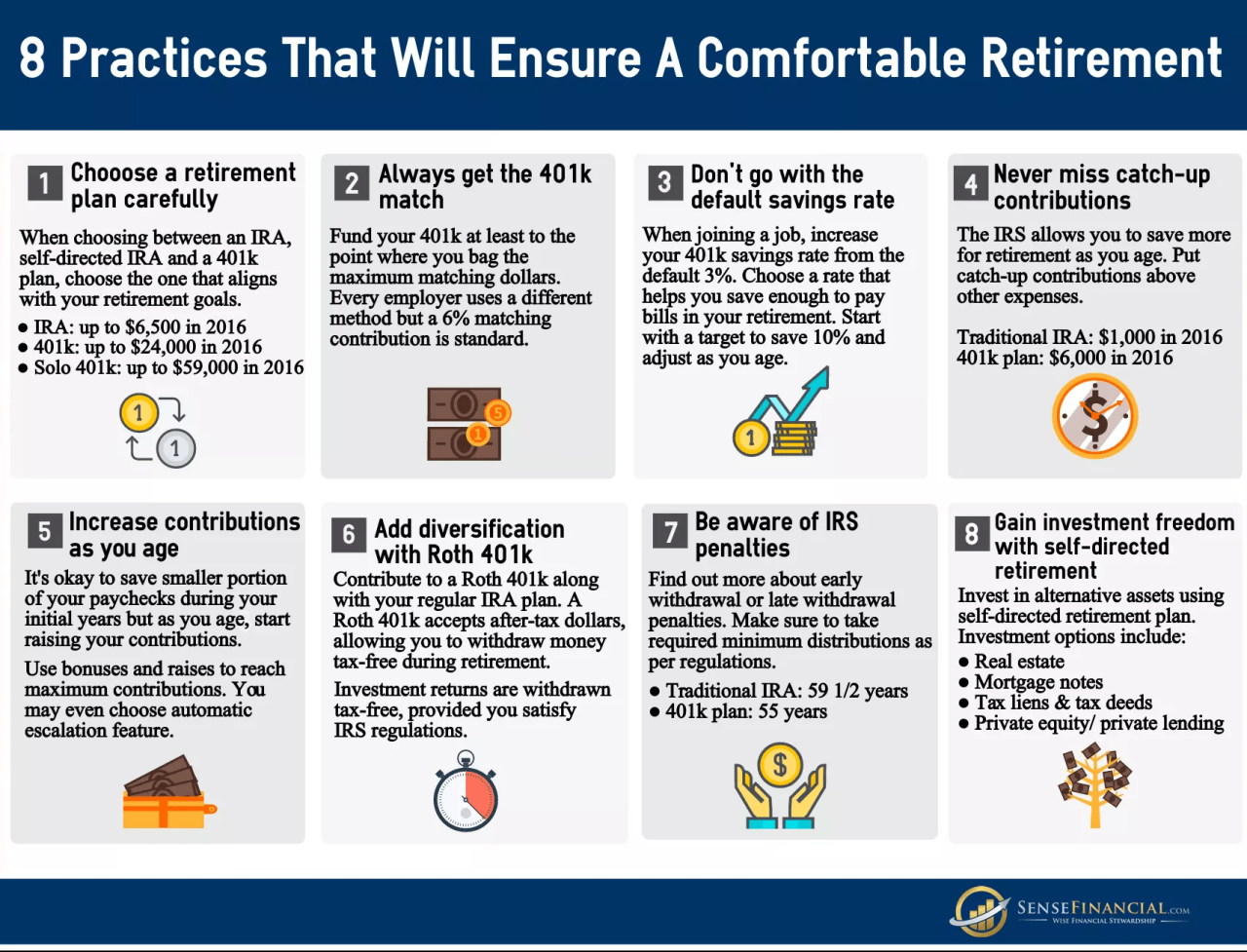
When it comes to retirement planning, it’s essential to seek guidance from a professional advisor who can help navigate the complexities of investment options. There are different types of retirement investment advisors available, each with unique roles and responsibilities tailored to meet individual financial goals and preferences.
Financial Planners
Financial planners specialize in creating comprehensive financial plans that encompass retirement goals, investment strategies, risk management, and estate planning. They work closely with clients to develop personalized strategies based on their financial circumstances and long-term objectives.
- Assessing current financial situation and setting retirement goals
- Creating investment portfolios aligned with risk tolerance and time horizon
- Monitoring and adjusting investment strategies over time
- Providing guidance on tax-efficient retirement income strategies
Financial planners focus on holistic financial planning to help clients achieve their retirement goals through personalized strategies.
Wealth Managers
Wealth managers cater to high-net-worth individuals and families, offering a range of financial services beyond investment management. They provide comprehensive wealth planning, estate planning, tax optimization, and risk management strategies to preserve and grow clients’ assets.
- Managing investment portfolios across various asset classes
- Developing customized wealth management strategies
- Coordinating with other professionals, such as tax advisors and estate planners
- Providing ongoing financial guidance and support
Wealth managers offer specialized services to affluent clients, focusing on preserving and growing wealth through tailored strategies.
Robo-Advisors
Robo-advisors are automated investment platforms that use algorithms to create and manage investment portfolios based on clients’ risk tolerance and financial goals. They offer low-cost investment solutions with minimal human intervention, making them ideal for individuals seeking a hands-off approach to retirement planning.
- Automated portfolio management and rebalancing
- Low-cost investment options with diversified portfolios
- Access to financial planning tools and retirement calculators
- 24/7 online account monitoring and support
Robo-advisors provide convenient and cost-effective investment solutions for individuals looking to automate their retirement planning process.
Investment Strategies for Retirement
When it comes to planning for retirement, having the right investment strategies in place is crucial. Here, we will explore some common investment strategies recommended for retirement planning, how they can help individuals build a robust retirement portfolio, and the importance of adjusting these strategies based on changing market conditions and personal circumstances.
Diversification
Diversification is a key strategy in retirement planning that involves spreading investments across different asset classes to reduce risk. By investing in a mix of stocks, bonds, real estate, and other assets, individuals can minimize the impact of market fluctuations on their overall portfolio.
Asset Allocation
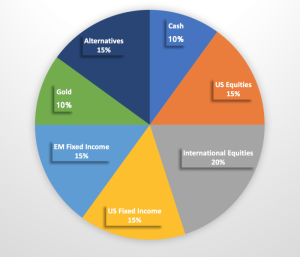
Asset allocation is another important strategy that involves determining the right mix of investments based on an individual’s risk tolerance, time horizon, and financial goals. By diversifying investments across different asset classes such as equities, fixed income, and cash, investors can achieve a balance between risk and return that aligns with their retirement objectives.
Rebalancing
Regularly rebalancing a retirement portfolio is essential to ensure that it stays aligned with an individual’s investment goals. By periodically reviewing and adjusting the asset allocation based on changing market conditions and personal circumstances, investors can maintain a well-diversified portfolio that continues to meet their long-term financial objectives.
Investment Opportunities for Retirement
When planning for retirement, it is crucial to consider various investment opportunities that can help you grow your savings over time. By diversifying your portfolio with different investment options, you can mitigate risks and maximize returns to secure a comfortable retirement.
Stocks
Investing in stocks can offer high returns over the long term, but it also comes with higher volatility and risks. It is essential to research and choose stable companies with a history of consistent growth and dividends to ensure a reliable income stream during retirement.
Bonds
Bonds are considered a safer investment option compared to stocks, providing a steady income through interest payments. While the returns may be lower than stocks, bonds offer more stability and can be a valuable addition to a retirement portfolio to balance out risk.
Real Estate
Investing in real estate can provide a source of passive income through rental properties or potential appreciation in property value over time. It is essential to carefully evaluate market conditions and consider factors like location, demand, and potential rental income to make informed real estate investments for retirement.
Mutual Funds
Mutual funds offer a diversified investment option by pooling money from multiple investors to invest in a portfolio of stocks, bonds, or other securities. They provide access to professional management and can be a convenient way to invest in various asset classes suitable for retirement planning.
Exchange-Traded Funds (ETFs)
ETFs are similar to mutual funds but trade on stock exchanges like individual stocks. They offer diversification, lower expense ratios, and flexibility in trading. ETFs can be an efficient way to invest in specific sectors or asset classes to enhance retirement savings.
Tips for Maximizing Retirement Savings through Investments
- Start investing early to benefit from compounding returns over time.
- Diversify your portfolio to spread out risks and capitalize on different investment opportunities.
- Regularly review and adjust your investments based on your risk tolerance, financial goals, and market conditions.
- Consider seeking professional advice from a financial advisor to develop a tailored investment strategy for retirement.
Understanding Investment Horizons in Retirement
An investment horizon refers to the length of time an investor expects to hold an investment before selling it. In the context of retirement planning, understanding your investment horizon is crucial as it helps determine the appropriate investment strategy to achieve your financial goals.Different investment horizons can have a significant impact on the choice of investment vehicles for retirement. For example, if you have a long investment horizon before retirement, you may choose to invest in more aggressive growth-oriented options such as stocks, which have the potential for higher returns over time but also come with higher risk.
On the other hand, if you are nearing retirement and have a shorter investment horizon, you may opt for more conservative investments like bonds or cash equivalents to preserve your capital.It is essential to align your investment horizons with your retirement goals and timelines. By matching the duration of your investments with when you will need the funds in retirement, you can ensure that your portfolio is appropriately balanced to meet your financial needs at each stage of your retirement journey.
Regularly reviewing and adjusting your investment horizon as you progress towards retirement can help you stay on track and make informed decisions based on your evolving financial situation.
In conclusion, navigating the realm of retirement investment advice requires careful consideration and expert guidance. By understanding the importance of seeking professional advice, choosing the right advisor, implementing sound investment strategies, and leveraging opportunities wisely, individuals can set themselves on a path towards a financially secure retirement.
Top FAQs
What are the benefits of seeking retirement investment advice?
Professional advice can help individuals make informed decisions, optimize their retirement savings, and navigate potential risks effectively.
How do I choose the right retirement investment advisor?
Consider your financial goals, preferences, and the advisor’s expertise to find a suitable match for your retirement planning needs.
What are some common investment strategies for retirement planning?
Diversification, asset allocation, and risk management are key strategies to build a strong retirement portfolio.
Which investment opportunities are suitable for retirement?
Stocks, bonds, and real estate are common options, each with varying risks and returns that should align with your retirement goals.
How do investment horizons impact retirement planning?
Understanding your investment horizon helps in selecting appropriate investment vehicles that align with your retirement timeline and goals.